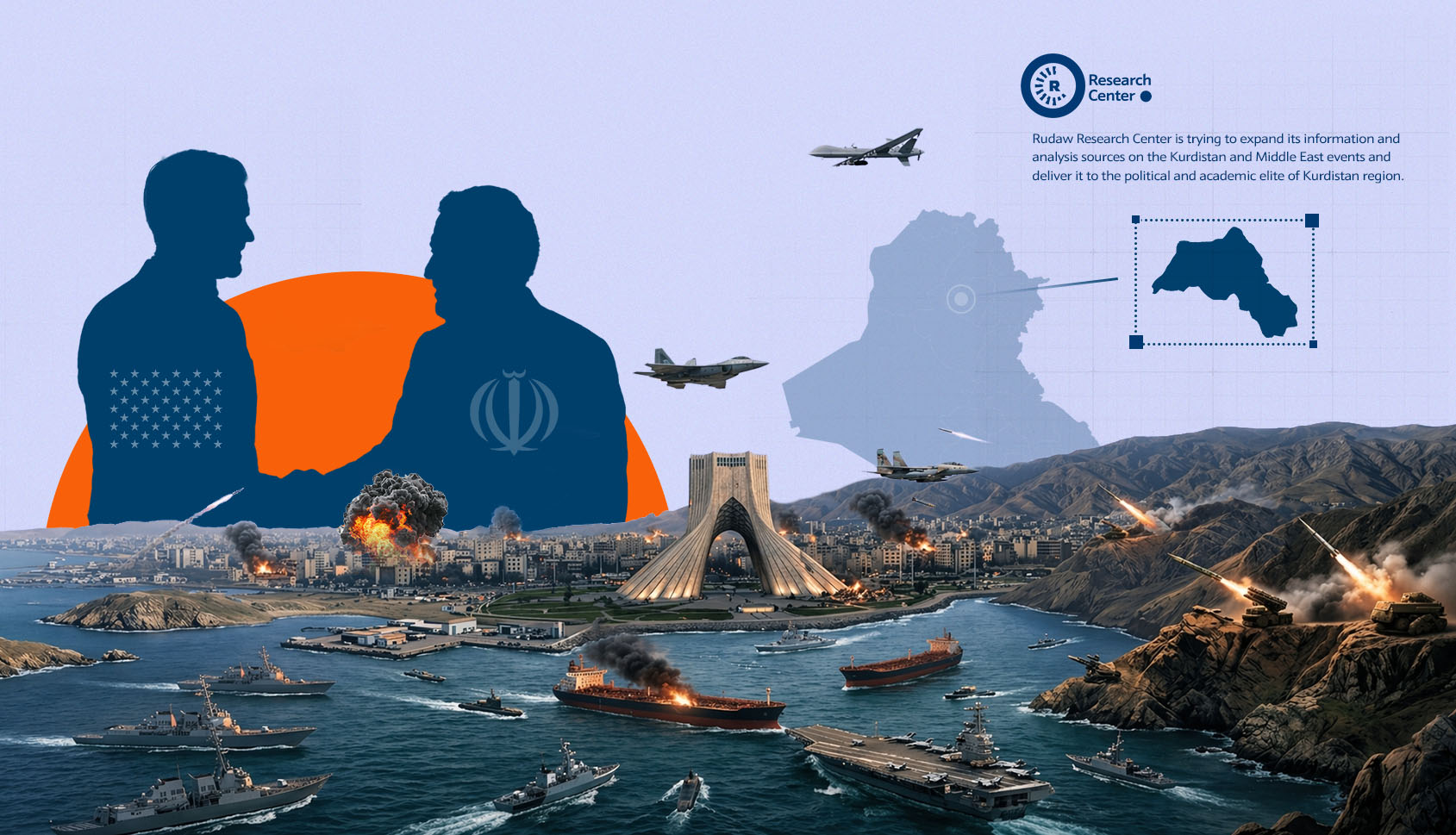
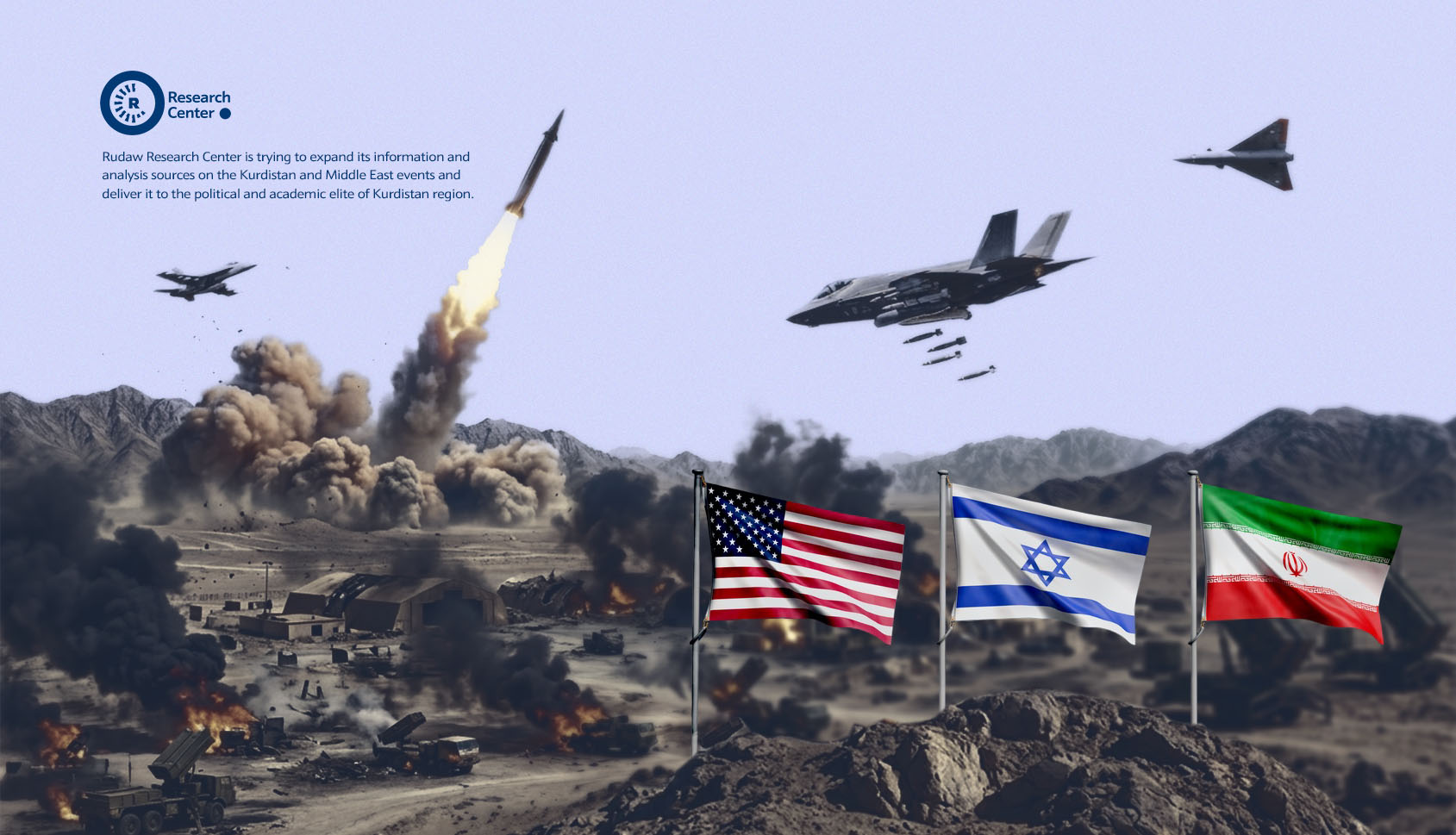

McDowall once described the geography of Kurdistan as a line of geopolitical friction situated between three regional power centers: the Mesopotamian plains, the Anatolian highlands, and the Iranian plateau. His argument suggests that whenever these powers come into conflict, Kurdistan is inevitably drawn into the flames of war. In reality, this pattern is not new; it has characterized earlier historical confrontations, including those between Persia and Rome, as well as Iran and Greece. The Iranian war of 2026 has once again demonstrated that geography can, at times, shape outcomes more decisively than political decision-making alone.