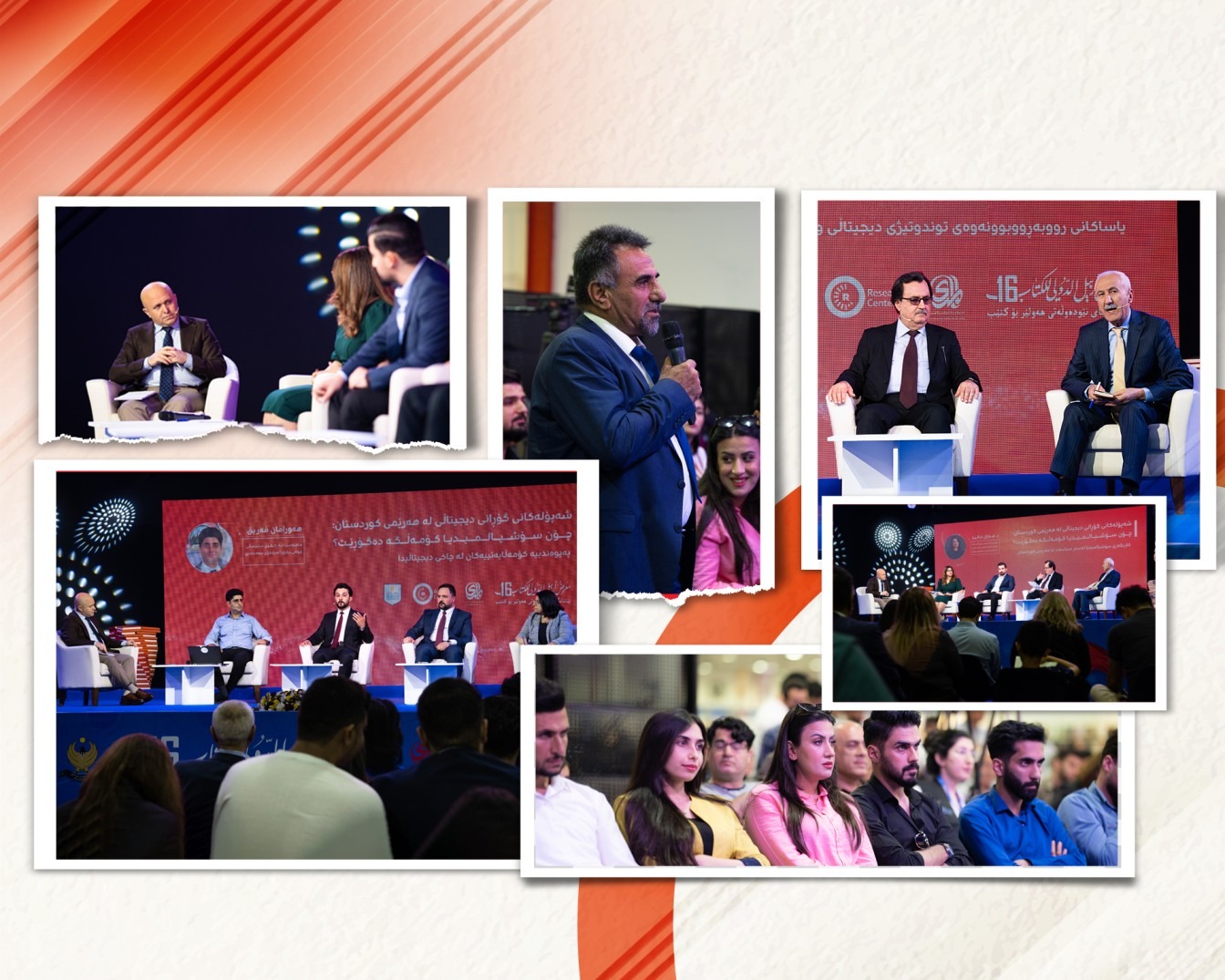
On Friday, April 26, 2024, Rudaw Research Center, in collaboration with the Mada Foundation and Soran University, hosted an open discussion titled "Waves of Digital Change in the Kurdistan Region: How is Social Media Changing Society?" The event featured organized discussions on several key topics, including "Social Relationships in the Digital Age," "Online Harassment from Swearing to Sex: Obstacles and Solutions," "Social Media and the Economy in the Kurdistan Region," "The Impact of Social Media on Politics in the Kurdistan Region," "Searching for Truth in the Hustle of Social Media; Combating Misinformation and Disinformation," and "Laws to Combat Digital and Online Violence."
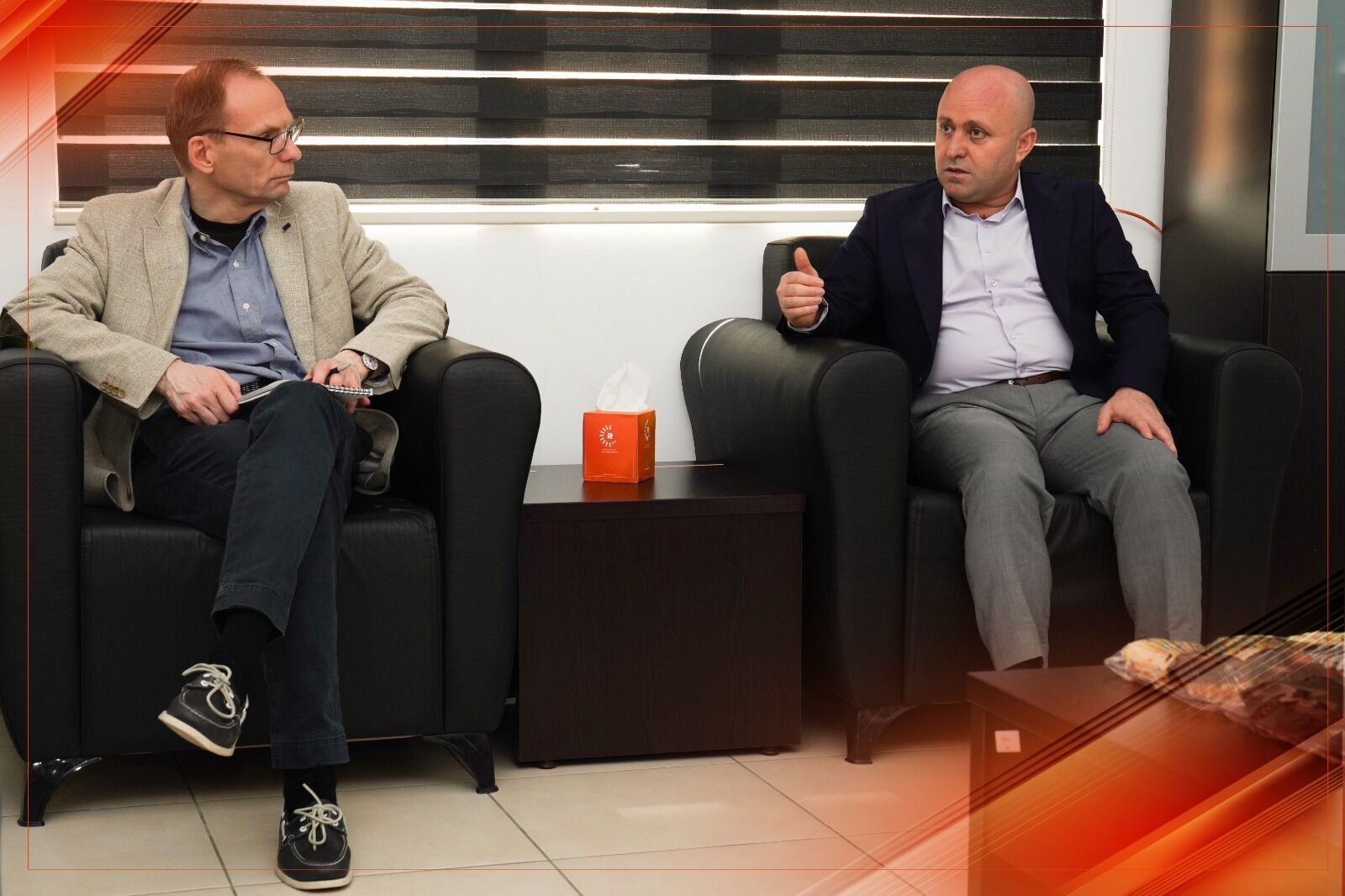
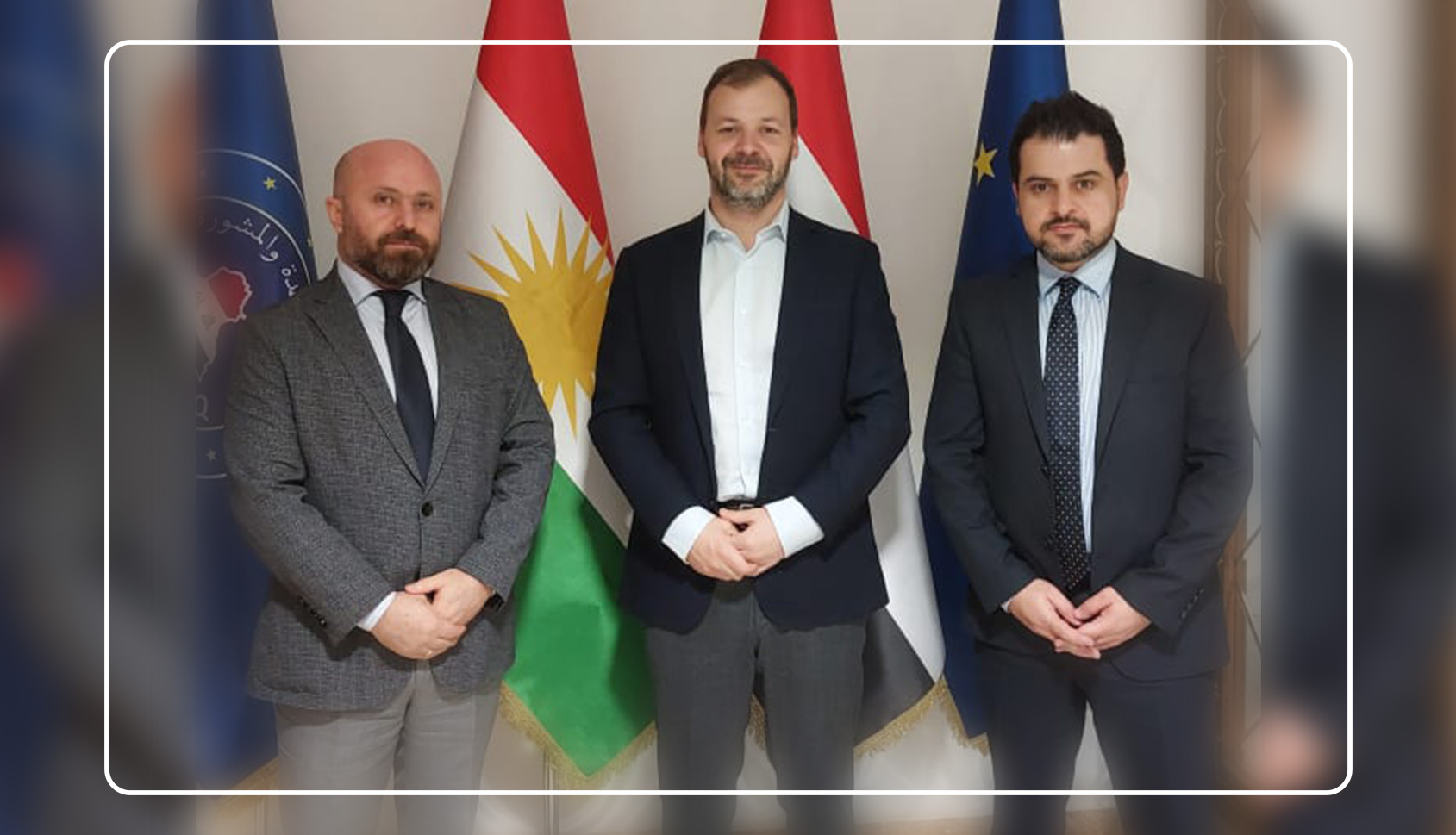
On Wednesday, May 22, the European Union Representative in the Kurdistan Region, Mr. Torkild BYG, visited Rudaw Research Center. During the meeting, we discussed significant political developments and the European Union's relations with the Kurdistan Region and Iraq.
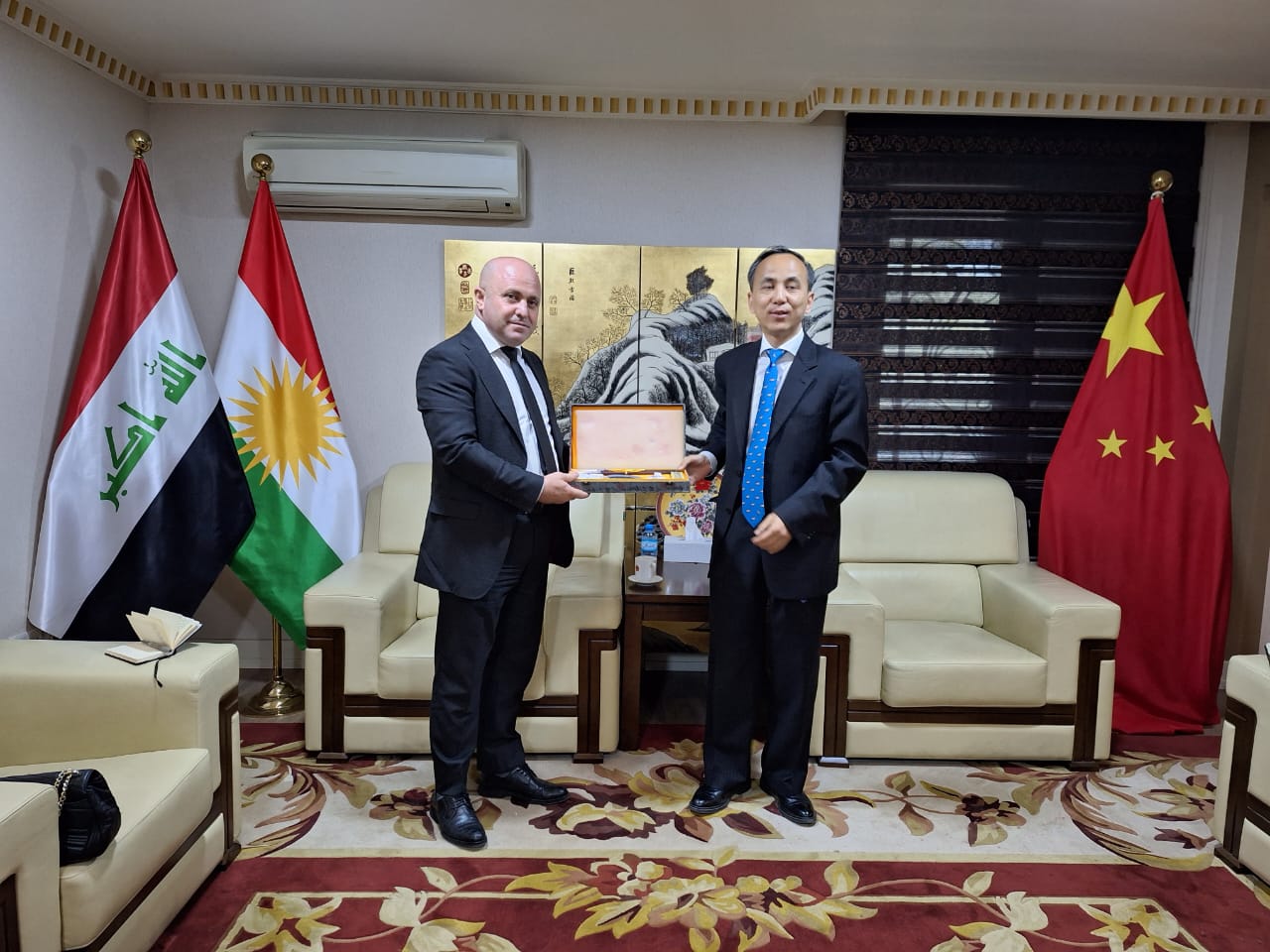
On May 13, 2024, Ziryan Rojhelati, Director of Rudaw Research Center, met with Liu Jun, Consul General of the People's Republic of China in the Kurdistan Region.
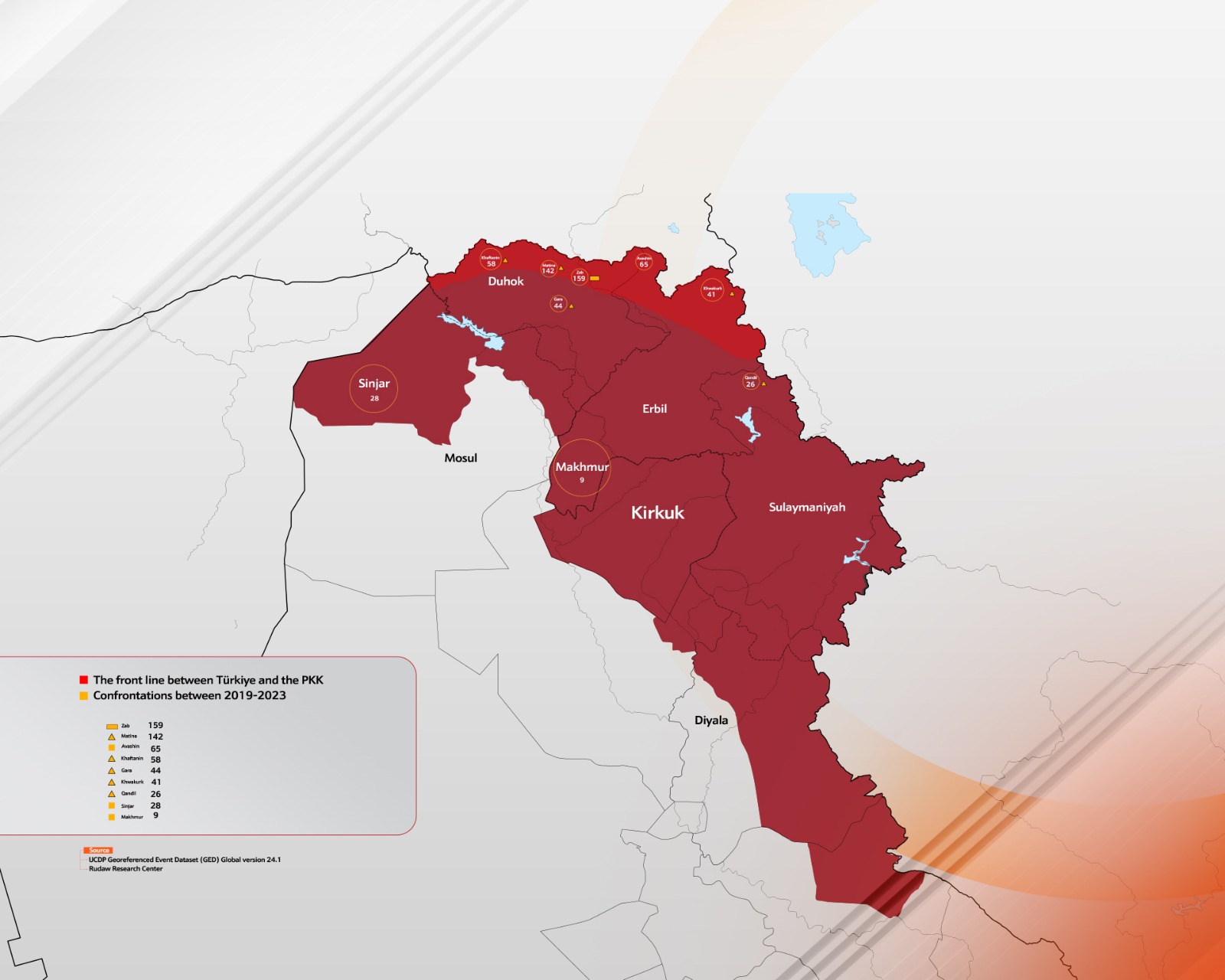
Following Eid al-Adha, a new wave of military movements between Turkish forces and the PKK has erupted in Duhok province. The clashes are particularly intense in the northern district of Amedi, but there is a significant possibility of the conflict spreading to Mount Gara, located over 40 kilometers deep within the Kurdistan Region. This potential escalation marks a turning point, with implications for the region's political and military landscape. Given the current situation in the Middle East, this conflict is likely to persist longer than anticipated.
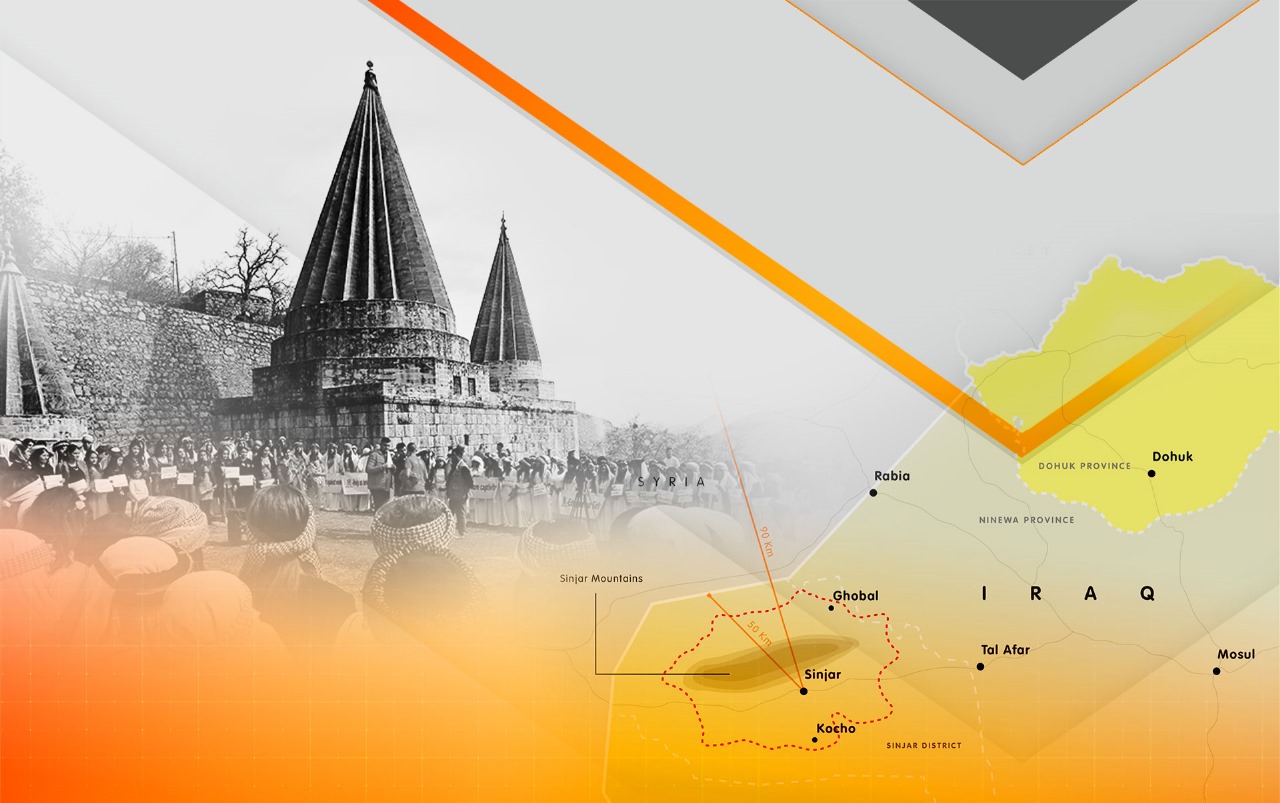
The Unexplored Side of the Controversy Over Qasim Shasho’s Statement: Sinjar's Disputes
In April 2017, I visited Sinjar for research and met Shasho at the Sharaf Adin Temple. His proud demeanor revealed the mindset of a courageous Peshmerga, eager to declare, "I defended and stayed here when Sinjar was under ISIS's control." However, he is now being portrayed as an anti-Islamic figure who has offended the sentiments of the majority of Kurdish Muslims. When I met him, he spoke cautiously, carefully choosing his words to ensure that his criticisms of ISIS were not misconstrued as anti-Islamic.
This $800 million project, which is over three-quarters complete, is now abandoned or expected to be completed by the end of this year. This analysis explores whether the increase in gas production, which has significant demand both inside and outside the Kurdistan Region, represents an opportunity or a challenge for the region's future.
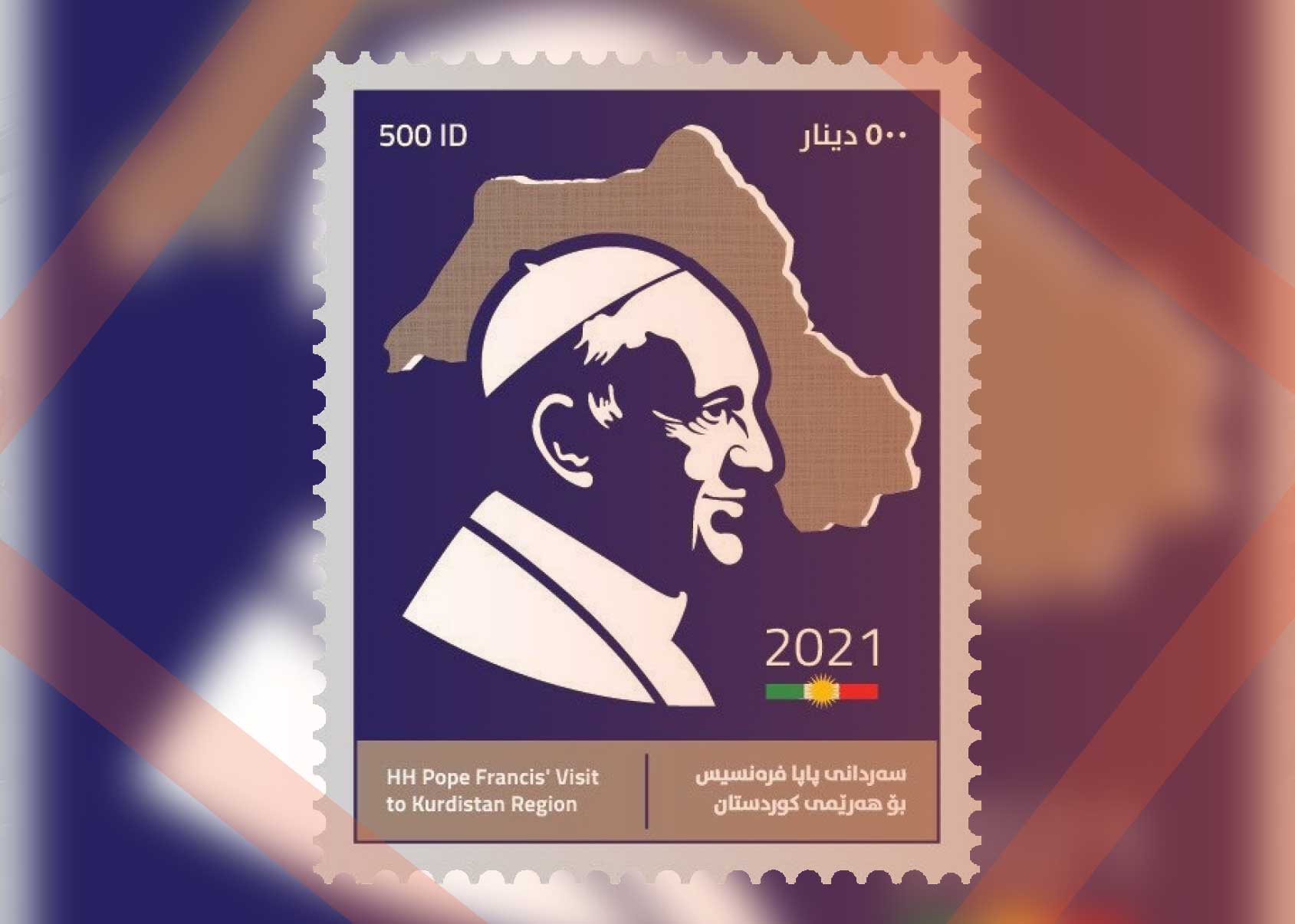
Turkey and Iran have expressed strong objections to a commemorative coin displayed during the Pope's visit to the Kurdistan Region, calling it a "big mistake" and an "unfriendly act," demanding its retraction. The coin features a map of Greater Kurdistan behind the Pope's head, which Turkey and Iran interpreted as an expression of the Kurdistan Region's territorial ambitions over parts of their countries. In 2017, Turkey, Iran, and Iraq suppressed the Kurdistan Region's referendum, denying the Kurds the basic right to determine their own future. However, officials in both Ankara and Tehran are well aware that there is no active political project to establish a Greater Kurdistan. So, what explains their strong reaction to this symbolic gesture?
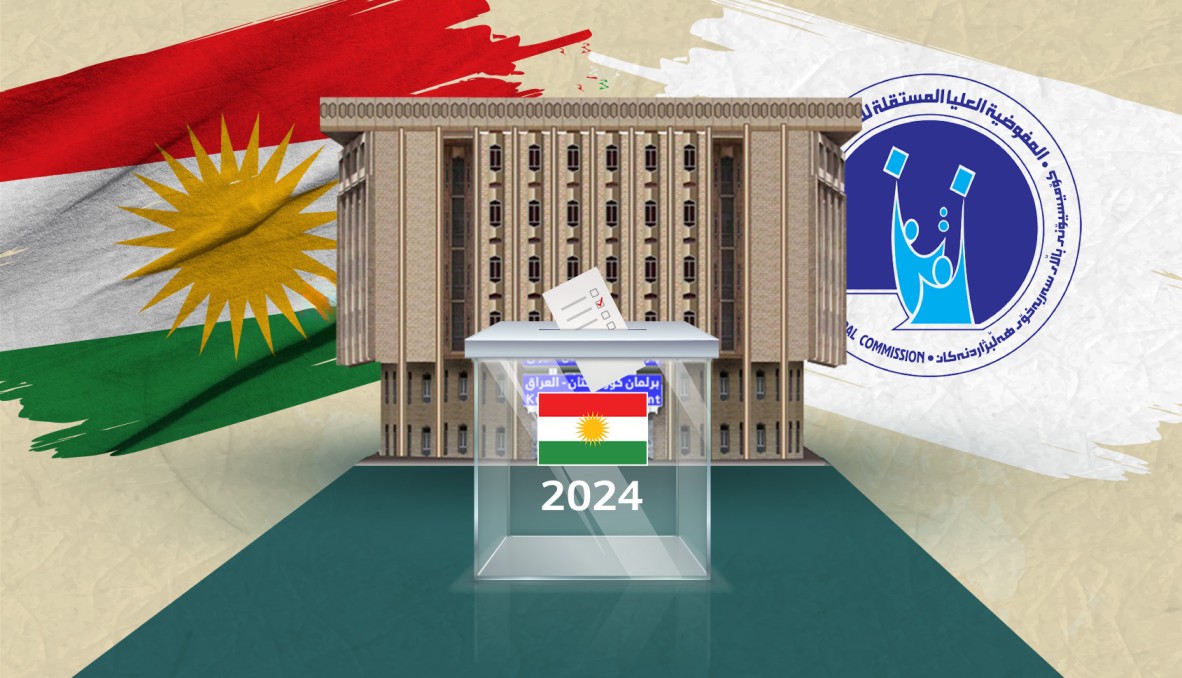
Contrary to predictions of a prolonged and arduous process of government formation, the likelihood of a government being established sooner than expected is quite high. However, before delving into that, it is crucial to examine the election results. While some parties have expressed dissatisfaction with the outcome, if we consider the preliminary results announced by the Election Commission, it is clear that the elections have not drastically altered the political landscape of the Kurdistan Region. Instead, they have solidified a powerful triangle of influence between the PUK, PDK, and the New Generation, positioning these three entities to have a greater impact on future events in the region than any other party.
The formation of the new government is a process that perhaps started a bit slow after the elections, but with each meeting, the process became more active, and the topics being discussed have become more serious. I can say with optimism that the steps we have taken have progressed well.
The Kurdistan Region has the capacity to produce over 6,700 megawatts of electricity and currently generates 4,300 megawatts, indicating it still has the potential to produce an additional 2,400 megawatts. In the event of an interruption in Iranian electricity and gas supplies due to American pressure, Iraq could benefit from this surplus, just as it presently purchases 1,600 megawatts from the Kurdistan Region. Furthermore, the Kurdistan Region is expected to make a significant advancement in gas production early next year, reaching one billion cubic meters. Whether Iraq opts to purchase the gas directly or it is converted to electricity for export, Iraq can rely on the Kurdistan Region in this regard.
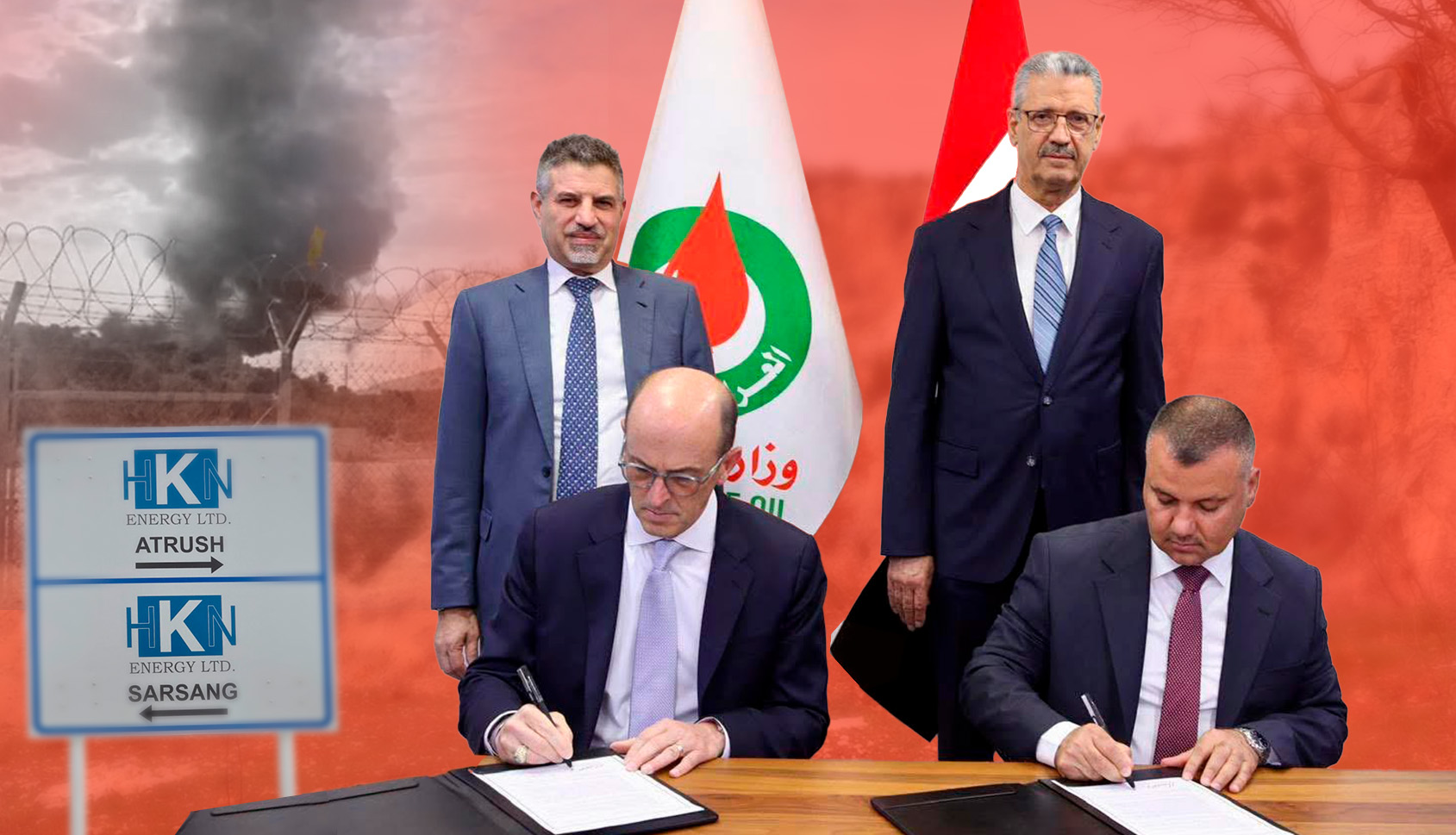
On the morning of July 15, 2025, the Sarsang oil field was attacked by a drone. The American company HKN, which operates the field and owns 62% of its shares, is the main stakeholder. On the same day, just hours later, the Iraqi Ministry of Oil officially announced the signing ceremony of the contract between HKN and the North Oil Company for the development of the Hamrin oil field, with a daily production capacity of 60,000 barrels of oil and 45 to 50 million cubic feet of gas.
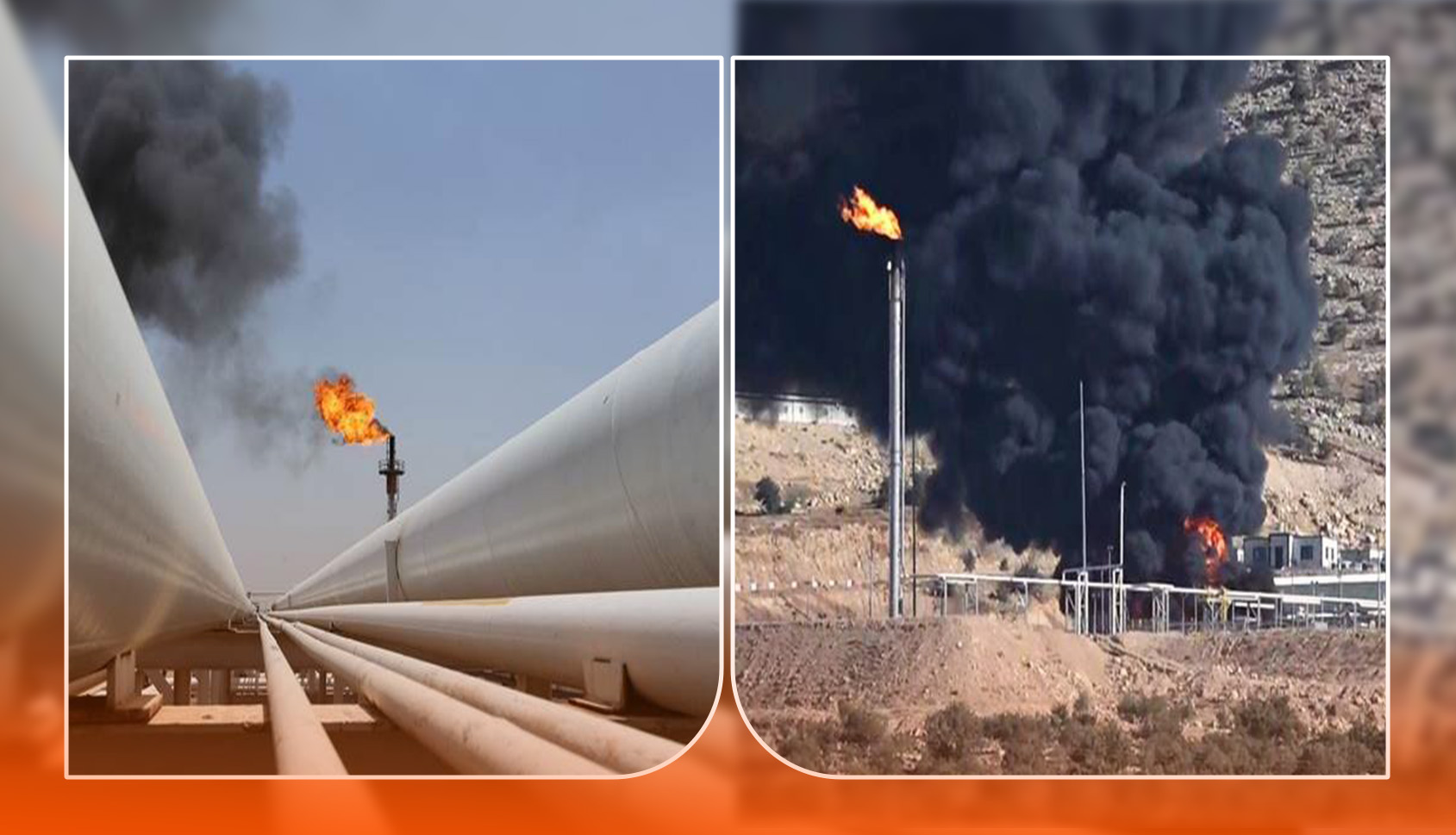
From July 14-16, 2025, oil fields on the borders of Erbil and Duhok provinces were targeted by bombing drones. Until now, drone attacks on various borders of these two provinces continue, and the number is increasing day by day, despite condemnations from America, Iraq, and demands from the Kurdistan Region to stop the attacks.
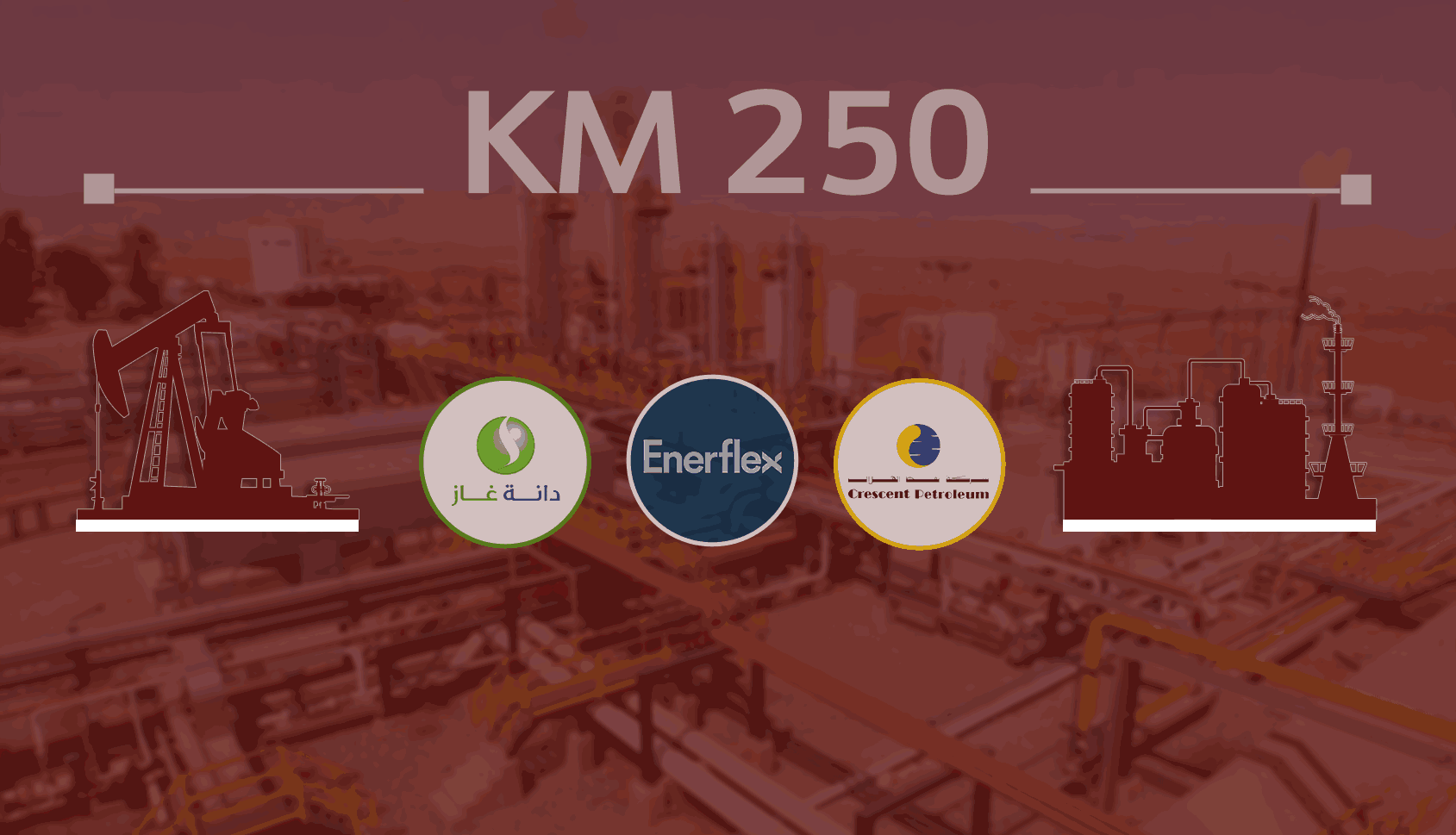
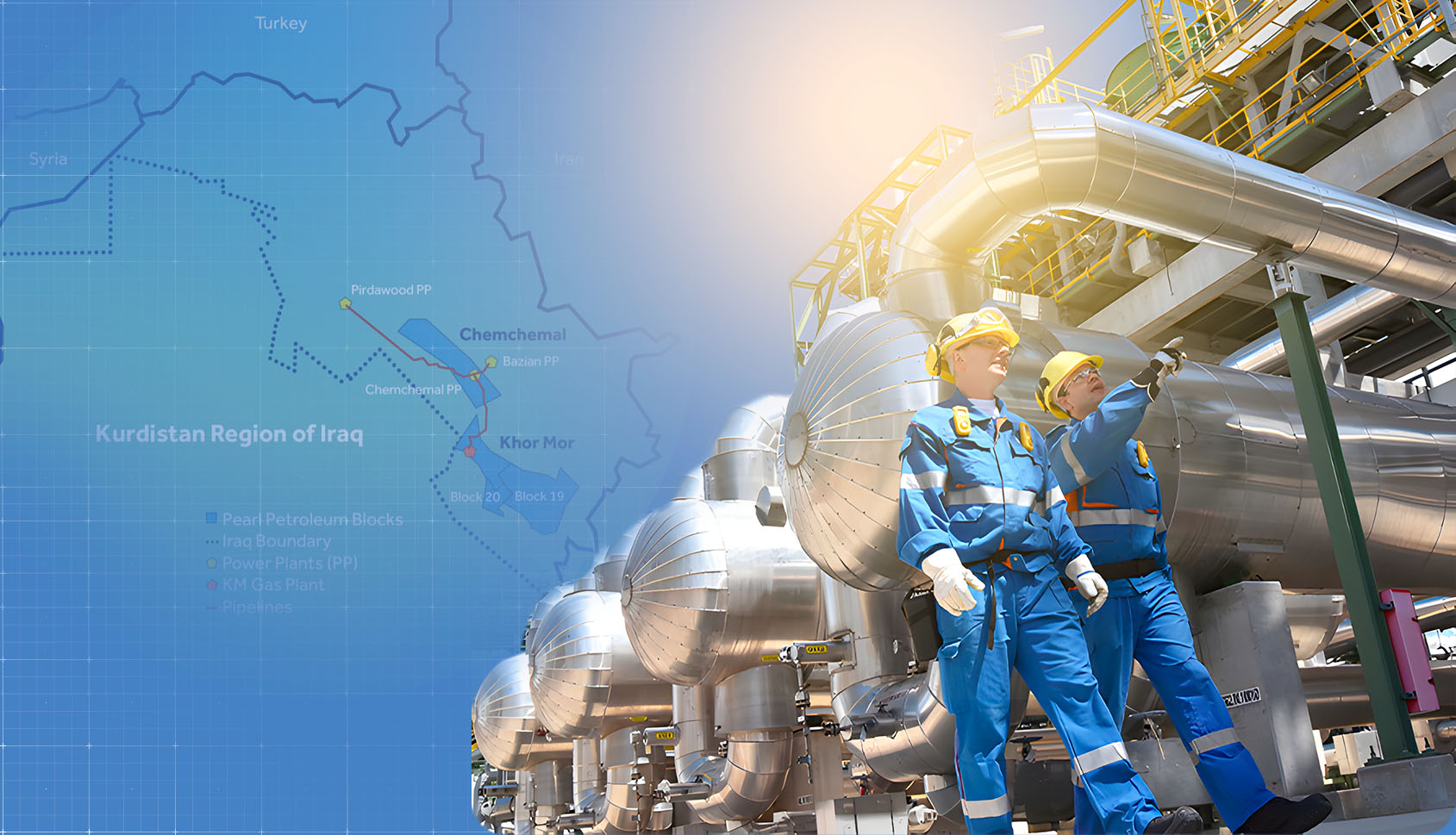
It is planned that next week, Dana Gas and its partners will conduct the first initial pre-production gas testing of the Khor Mor natural gas production expansion project, known as KM250. Subsequently, they will move to the production phase, increasing daily production by 250 million cubic feet of gas to 540 million cubic feet of gas for the company's operations at the Khor Mor field. This will bring the level of natural gas production in the Kurdistan Region to over 1 billion cubic feet per day.
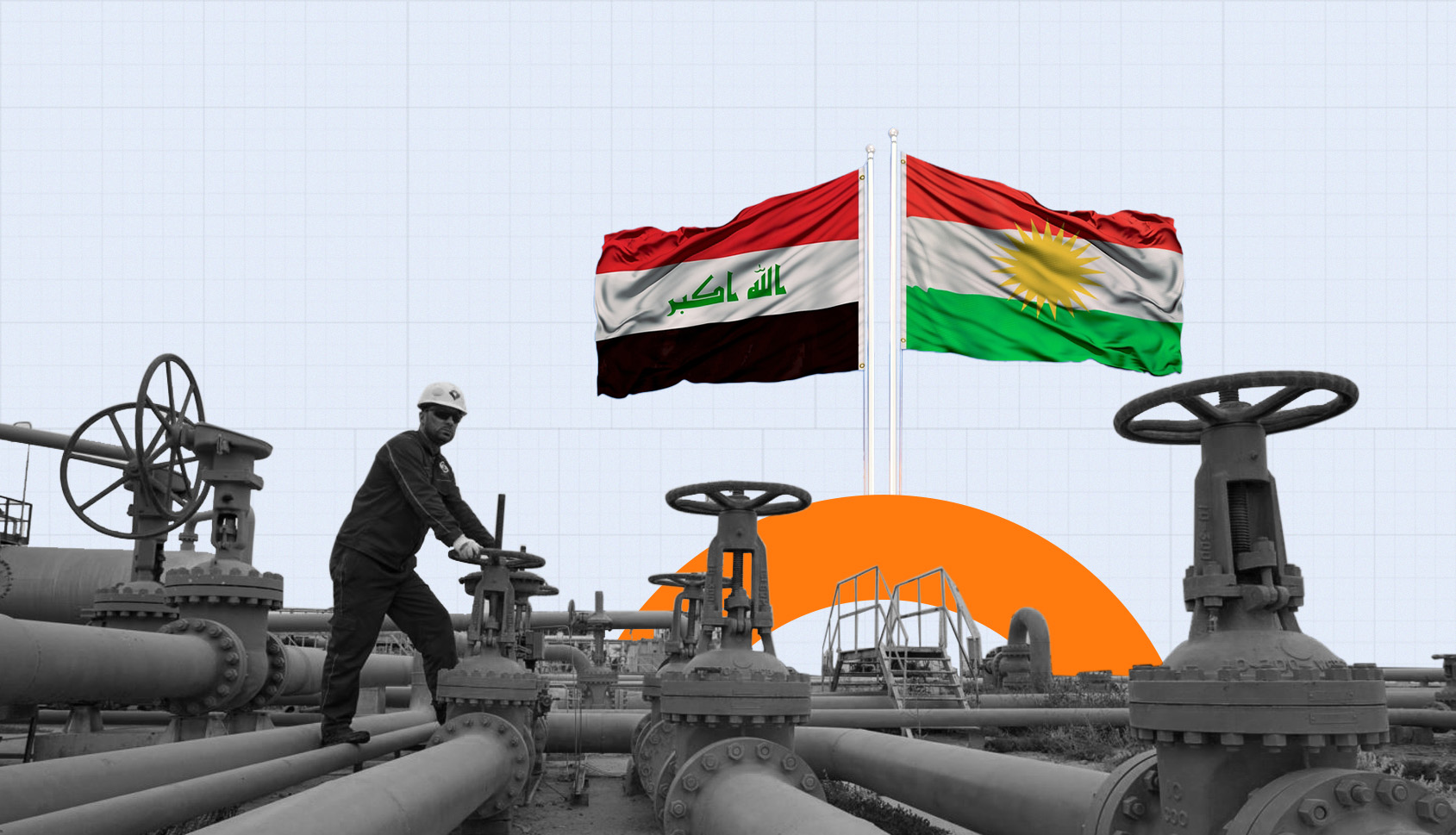
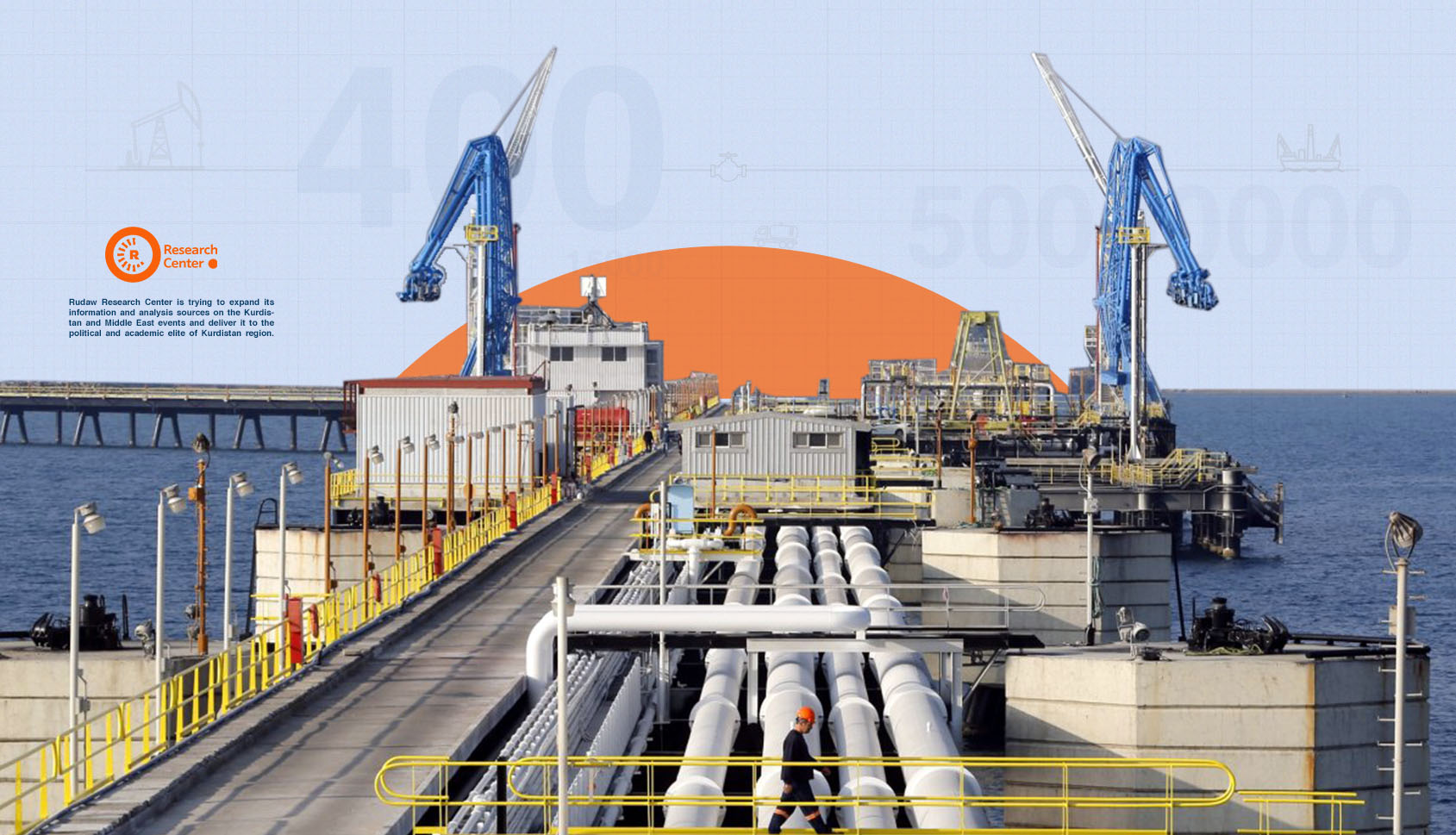
The Resumption of Oil Exports from the Kurdistan Region to the Ceyhan Port: Impacts and Implications.
On the morning of September 27, 2025, Kurdistan Region oil was exported via pipeline to the Ceyhan port. This tripartite agreement will directly impact the entire energy sector in both Iraq and the Kurdistan Region, even as three unresolved files remain suspended for 2026.
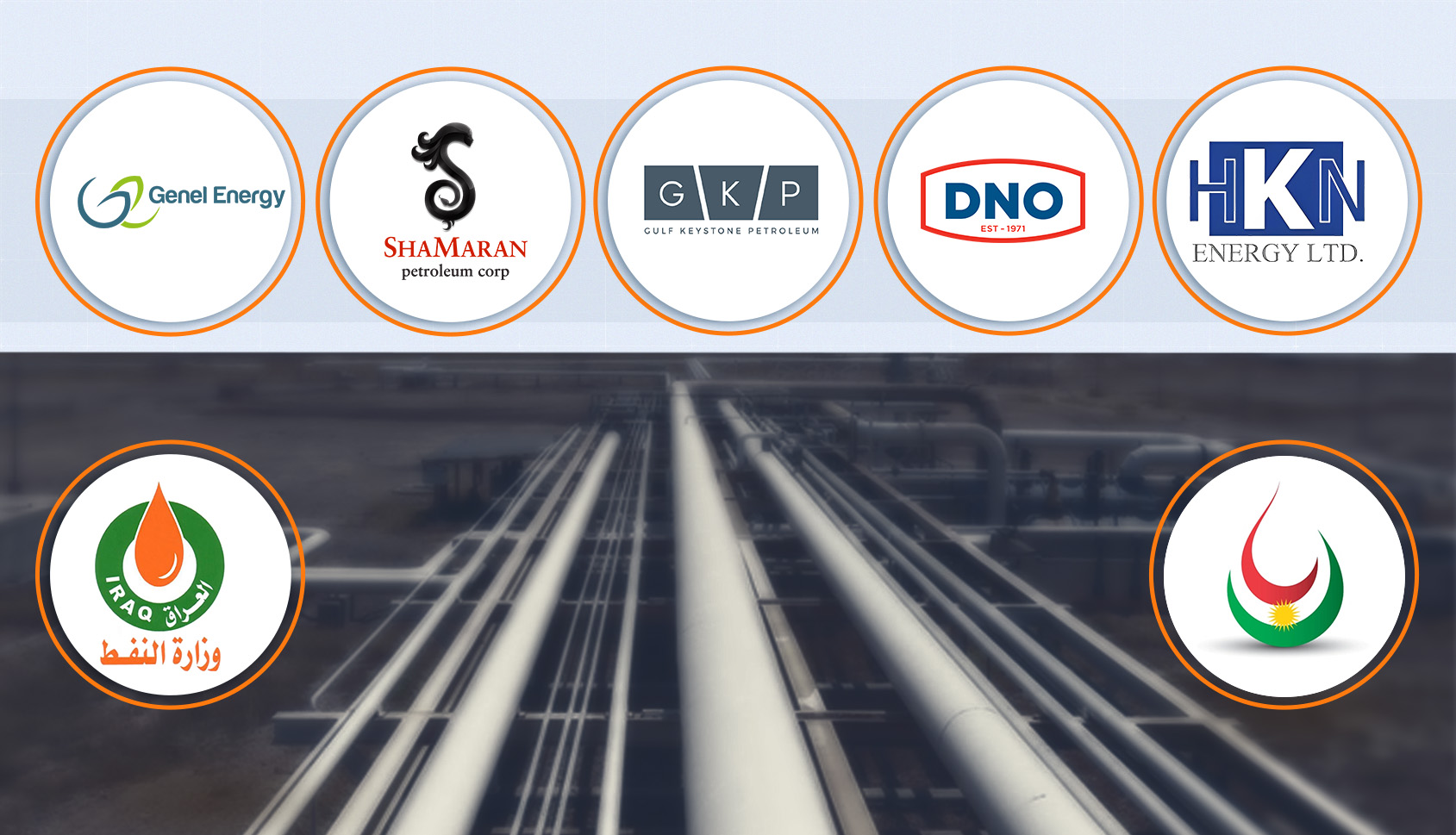
The Core of the Tripartite Agreement and Company Profits per Barrel of Kurdistan Region Oil
Wood Mackenzie has been tasked with reviewing production costs, investment levels, and profit margins per barrel of oil for international companies operating in the Kurdistan Region. Based on this review, Baghdad will allocate the companies’ financial entitlements for both the current and future phases.
On September 27, 2025, the pipeline for exporting oil from the Kurdistan Region to European, Asian, and U.S. markets via the Port of Ceyhan was reopened. Over the past month, an average of 188,221 barrels per day of oil from Kurdistan Region fields reached buyers.
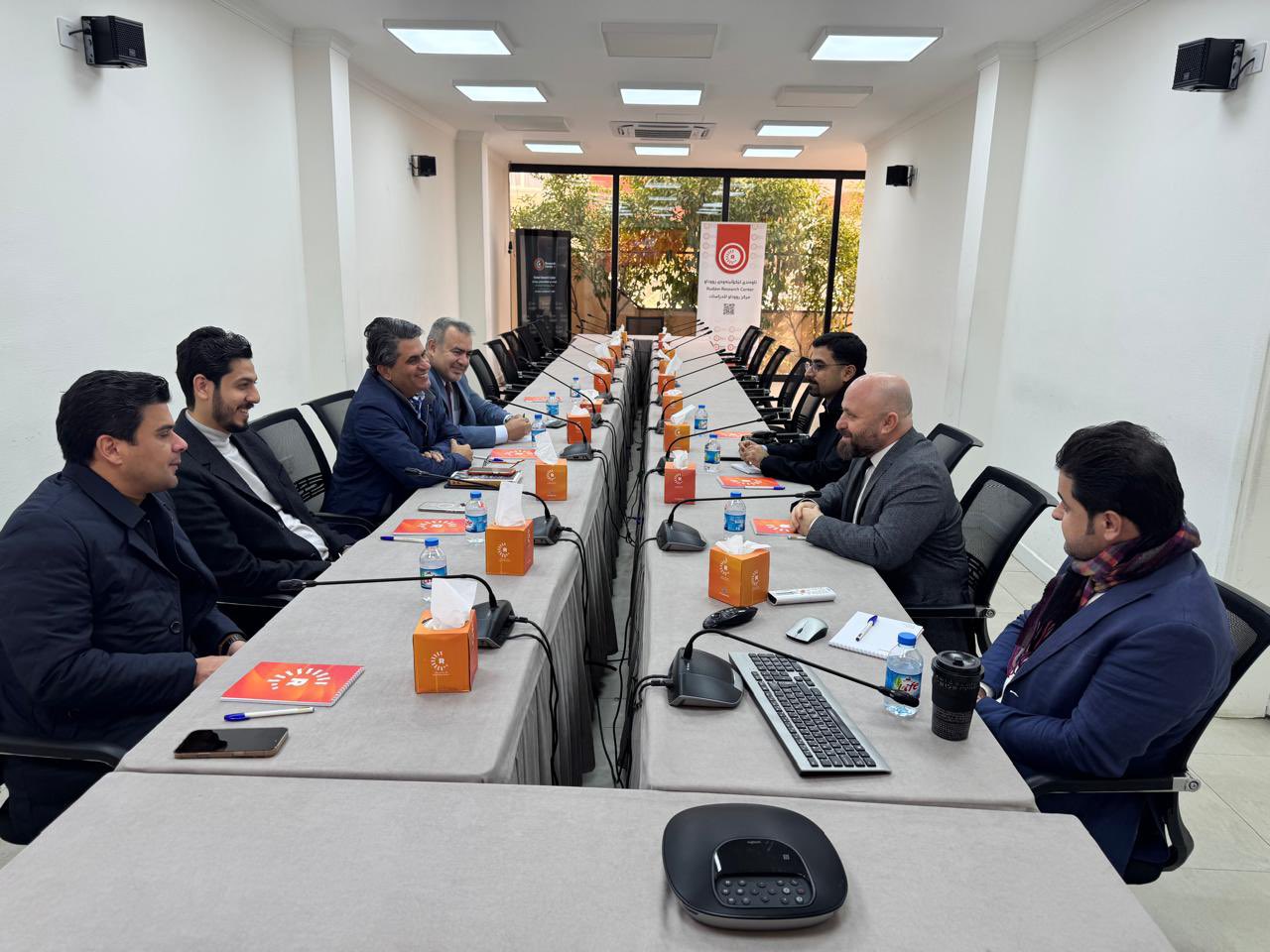
On Tuesday, 4 November 2025, Mr Radu Eugen Butum, Head of the European Union Liaison Office in Erbil, welcomed a delegation from the Rudaw Research Center at the EU Office in Erbil. The meeting opened with a discussion on preparations for the next year’s Fourth Erbil Forum and reviewed the latest regional developments. At the conclusion of the meeting, Mr. Butum expressed his appreciation for the ongoing cooperation and his enthusiasm for continued participation in RRC’s initiatives.
<!-- wp:paragraph --> <p>One year after the launch of the Runaki Project—an ambitious, region-wide initiative designed to provide 24-hour, uninterrupted electricity across the Kurdistan Region of Iraq—approximately 70 percent of the region’s population is now receiving continuous power through the program.</p> <!-- /wp:paragraph --> <!-- wp:paragraph --> <p>The Runaki Project marks a significant milestone in the Kurdistan Regional Government’s efforts to modernize the energy sector, reduce dependence on small private diesel generators, and minimize environmental pollution resulting from fragmented power production.</p> <!-- /wp:paragraph -->
Khor Mor LPG Facility Attack: Impacts and Energy Security Options for the Kurdistan Region
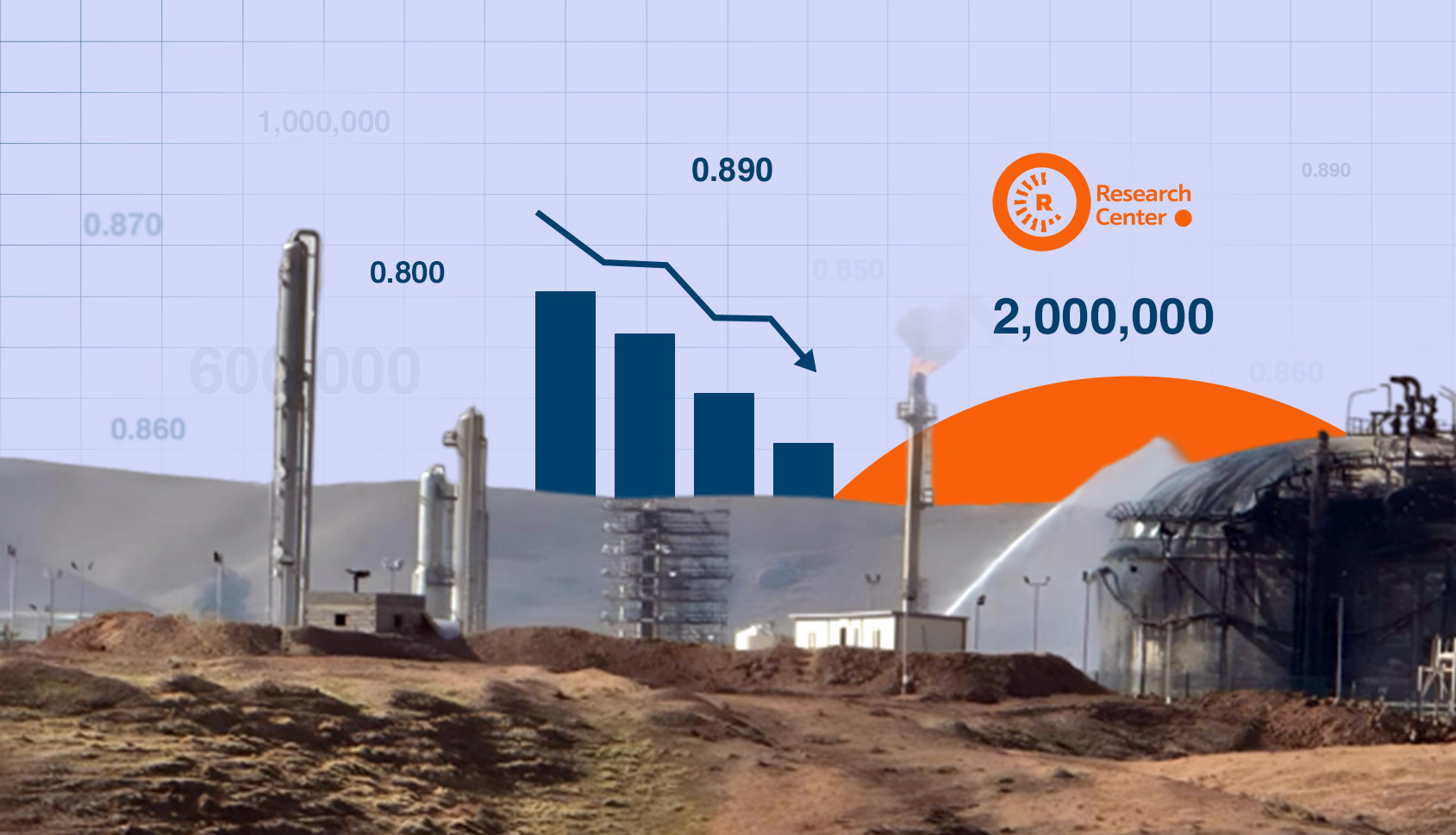
The rocket attack on the Khor Mor gas field on the night of 26 November 2025 caused the explosion of the facility’s newest 65,000-barrel liquefied petroleum gas (LPG) storage tank and brought to a halt the flow of natural gas that generates nearly 80 percent of the Kurdistan Region’s electricity, in addition to supplying 1,200 megawatts of power to Iraq. The damage extends far beyond the millions of dollars lost in the destruction of the facility or the widespread blackout across the Kurdistan Region. This incident will have both immediate and long-term consequences for the oil and gas sectors of the Kurdistan Region and Iraq more broadly.