گەڕان بۆ 2026

Image
Analysis

The Three Stages of the US-Israeli War Against Iran: From Diplomacy to Covert Ground Operations
Dr. Rebwar Fatah

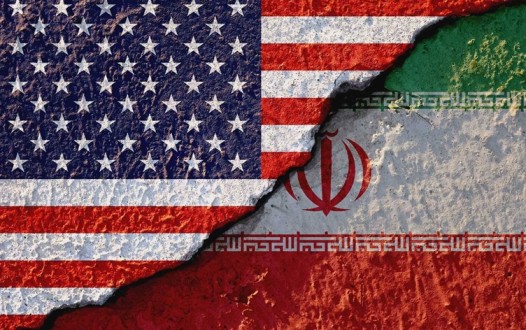
This article examines the US-Israeli military campaign against Iran in 2026, tracing its evolution through three distinct stages: pre-war diplomacy, a sustained air campaign, and the reported involvement of Kurdish opposition forces in ground operations. Drawing on primary reports and media accounts, it highlights the strategic interplay between diplomacy and military action, revealing how parallel negotiations and covert preparations shaped the conflict. The analysis situates these developments within the literature on coercive diplomacy, compellence, and proxy warfare, emphasizing the deliberate ambiguity in US war aims and the use of third-party actors to achieve strategic objectives while minimizing direct costs. The study also considers regional and domestic pressures, including Iran’s responses, Turkey’s concerns, and American public opinion, illustrating the complex dynamics that influence both the conduct and potential duration of modern military interventions.
Image

Kurds in Syria: Current Realities and Future Prospects

Rudaw RC

On Monday, 23 February 2026, the Rudaw Research Center convened a roundtable under the Chatham House Rule with Ilham Ahmad, Co-Chair of the Foreign Relations Office of the Autonomous Administration. The session was attended by Rohilat Afrin, commander of the Women’s Protection Units (YPJ); the German Consul General in Erbil; representatives of several other consulates; and a number of political figures, journalists, and academics based in Erbil.

Image

Delegation from the Institute of Oriental Studies of the Russian Academy of Sciences Visits Rudaw Research Center

Rudaw RC

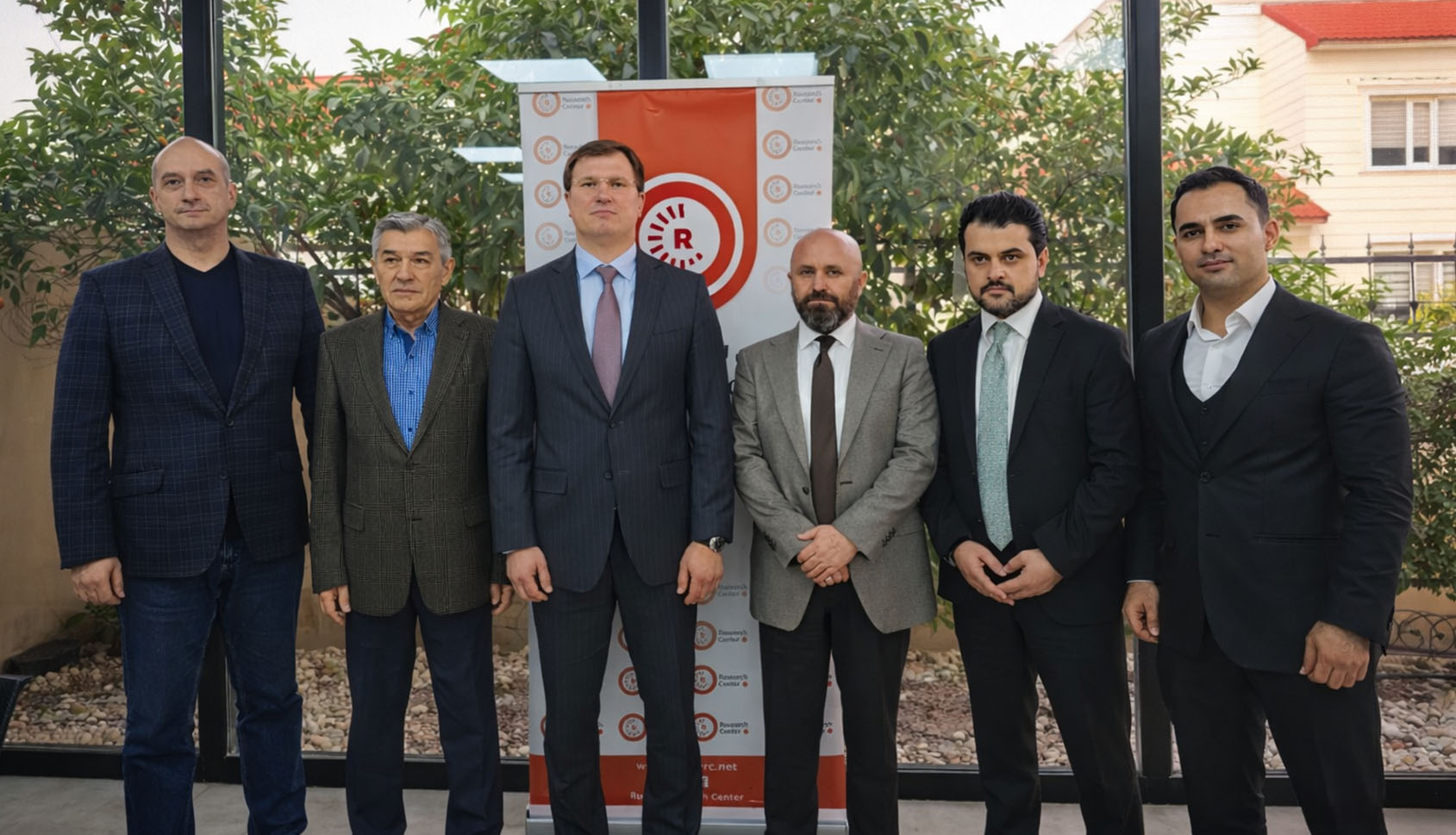
On Wednesday, February 18, 2026, a delegation from the Institute of Oriental Studies of the Russian Academy of Sciences (IOS RAS) visited the Rudaw Research Center (RRC) in Erbil. The delegation included Professor Nikolay Plotnikov, Head of the Center for Scientific and Analytical Information (IOS RAS), and Mr. Alexey Marinin, Leading Specialist at the same Center. The delegation was accompanied by Mr. Maxim Rubin, Consul General of the Russian Federation in Erbil, and his deputy. During the meeting, the two sides discussed opportunities for joint cooperation and potential mechanisms for the exchange of views and ideas between IOS RAS and the Rudaw Research Center.

Image
Analysis

Rojava and the New Regional Security Architecture: Is the Levant’s Great Game Ending?

Ziryan Rojhelati

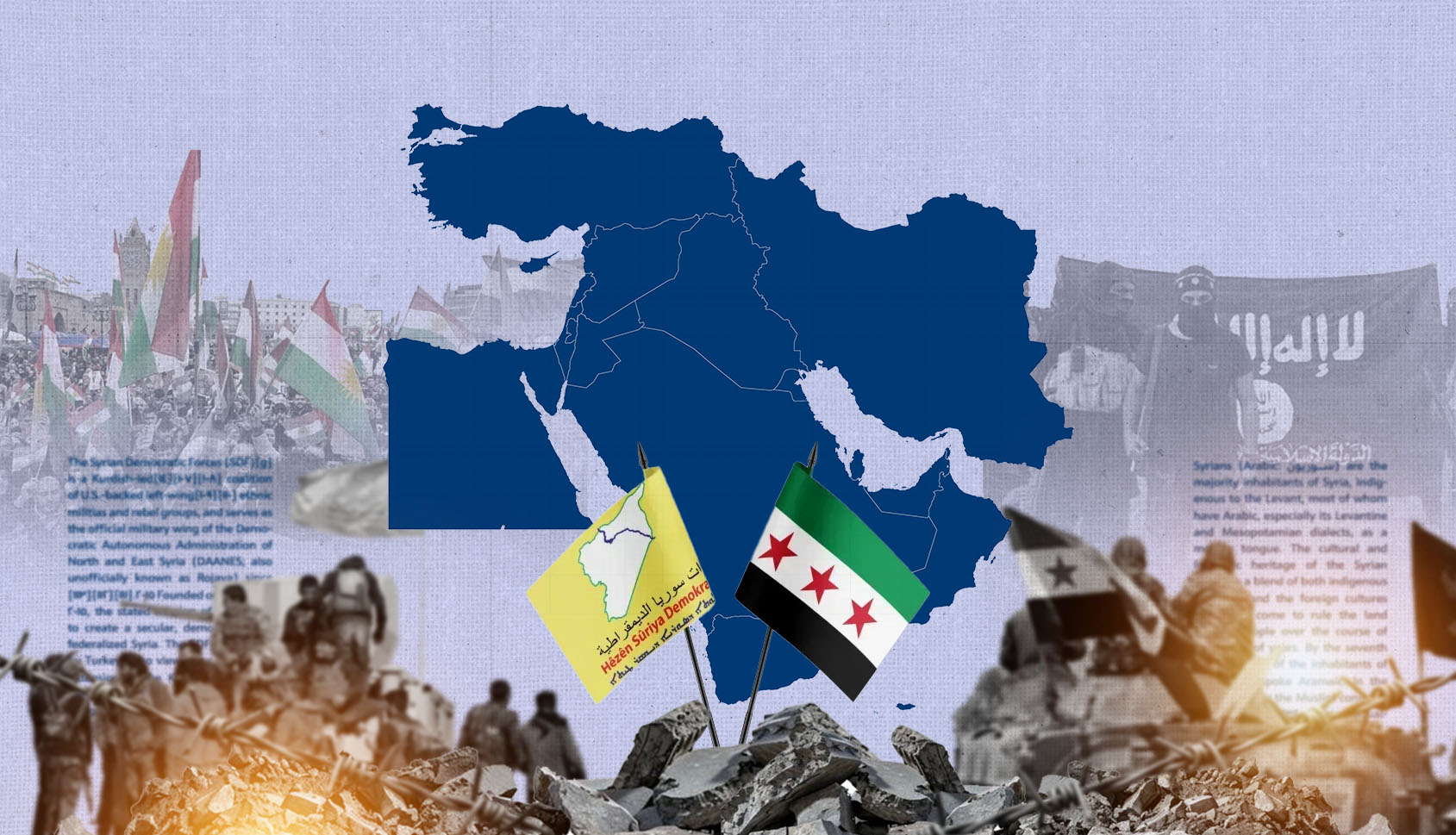
Both the ceasefire and the negotiations between the Syrian Democratic Forces (SDF) and the interim Syrian government have remained fragile. However, the most recent agreement between the two sides—reached on the 27th of January, 2026, and announced publicly on the 30th of the month—appears to represent an important turning point. The agreement has taken shape under the combined influence of developments on the ground and the broader political-military dynamics unfolding across the Middle East

Image
Analysis

Repercussions of War and Economic Shock: Multiple Dimensions of Iran's Protest

Ziryan Rojhelati

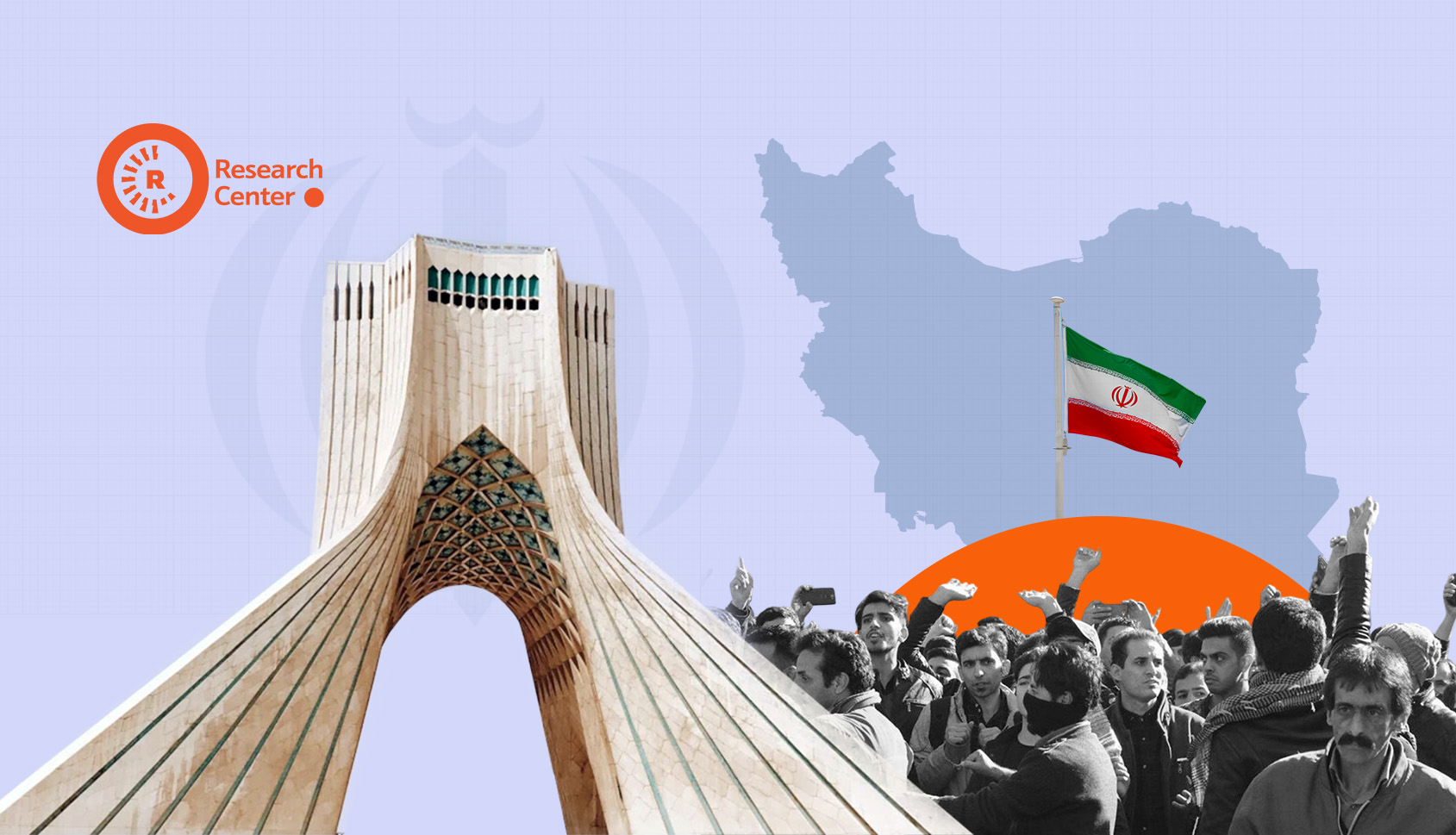
In late 2025 and early 2026, Iran entered one of the most critical phases in its more than 46-year history since the establishment of the Islamic Republic. A new wave of protests has emerged, spreading to approximately 250 locations across 27 provinces. Although the number of participants appears lower than in previous protest movements, the speed and geographic breadth of their spread, combined with the severe economic pressure faced by ordinary citizens, make this wave particularly significant. However, economic hardship alone does not fully explain the current unrest. Broader structural and political factors are also at play, including declining public trust in the political system during what many perceive as a transitional period, as well as the impact of external political and military developments on Iran’s internal dynamics. The reimposition and tightening of international sanctions, statements by U.S. President Donald Trump regarding the possibility of intervention should protesters be killed, the growing risk of a renewed military confrontation with Israel, and the capture of the Venezuelan President, Nicolás Maduro, have all contributed, directly or indirectly, to shaping the current protest environment.

Image
Analysis

The fate of the Erbil-Baghdad-IOC tripartite agreement in 2026

Mahmood Baban

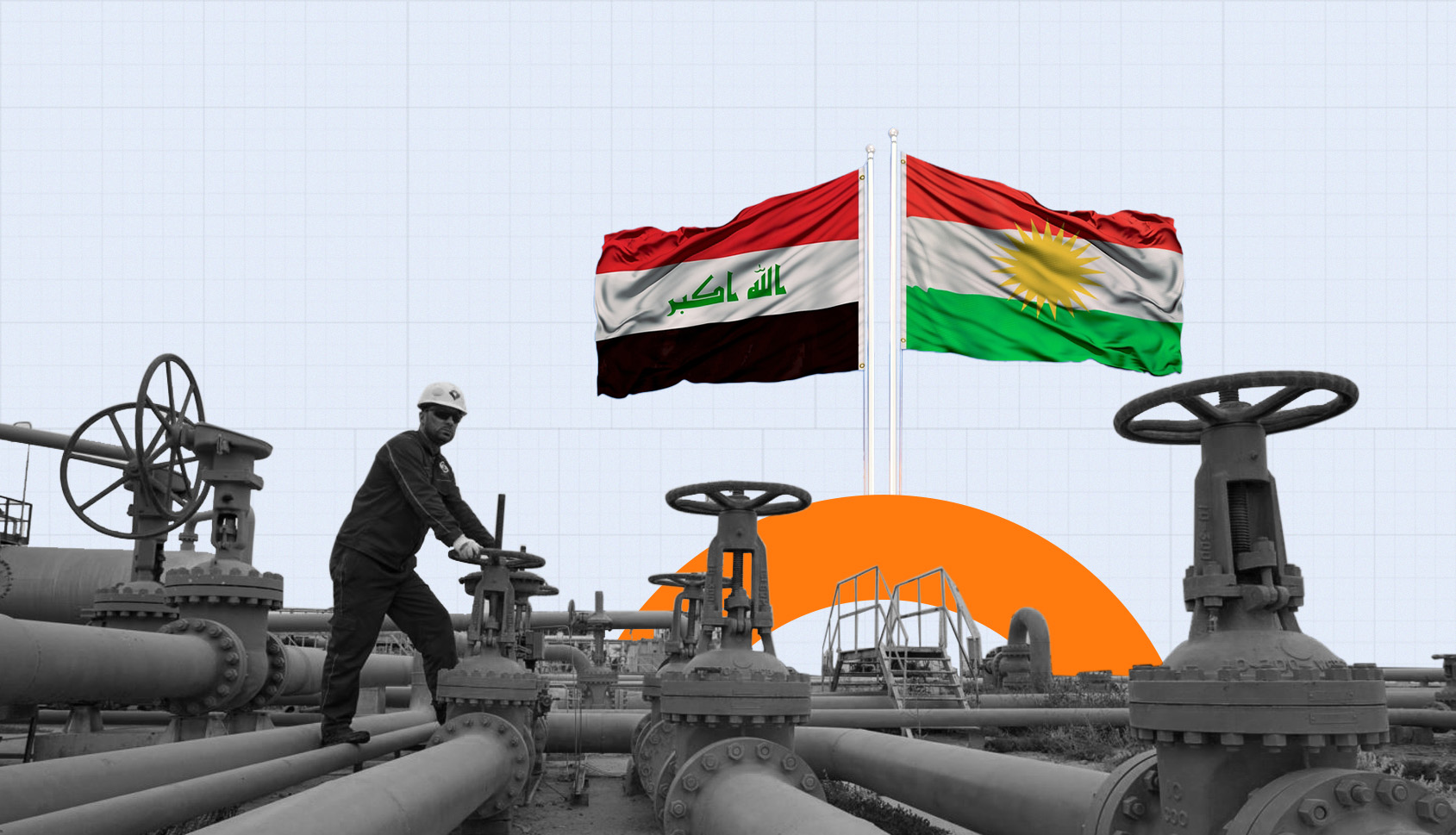
More than three months ago, a trilateral agreement was signed for exporting oil from Kurdistan Region fields through pipelines and selling it to global markets. According to the penultimate clause of the agreement, " The agreement will be effective for 30 days from the date of signing and will automatically extend until December 31, 2025. The parties can agree to extend the agreement for a longer period or terminate it prematurely."